Ken Ota – Sax Hidenobu “Kalta” Otsuki – Drums Ryo Ogihara – Guitar Ryu Kawamura - Bass
You cannot ask anything more from a jazz group than that they play fully and honestly. Ota’s Swingroove is a tight, hardworking straight-on quartet that does that and then some. Taken from the title of Ota’s CD from three years ago, “Swingroove” this quartet moves easily from swing to groove, from four-beat to pulsing funk, with natural flow and energetic spirit.
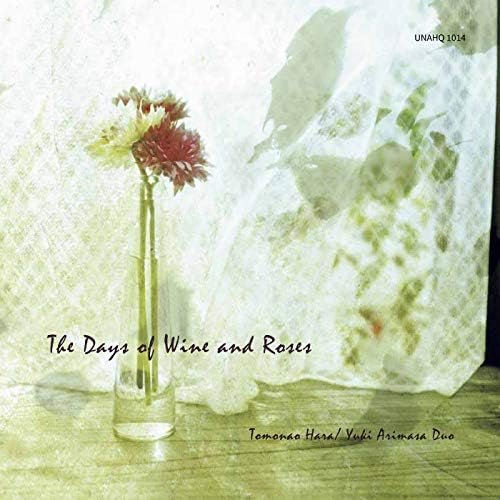
This lovely set of duets from two of Tokyo’s longtime jazz compatriots is a rare, real treat. This interconnected suite of Matsukaze’s original songs, improvised in tandem, flow together in the best possible way. The melodies are distinctive, yet soft and pliable as silk, each one slipping into luscious textures and nuanced expressions. The songs trail dreamily into solos then back to the melodies mutually re-invented with a fresh sensibility.
Japan’s love for jazz has no stronger evidence than the constant sound of jazz being played all over the country. In elevators, convenience stores, restaurants, lobbies and public spaces of all kinds, jazz is the soundtrack for Japan’s daily life. Japan’s large cities, like Tokyo, Yokohama and Kobe, keep up an unending public hum of all kinds of noise, sounds, music and announcements from what must be the world’s largest concentration of public speakers. Yet, when sophistication is needed, the speakers play jazz.
Jazz has always been the soundtrack for Japan's internationalization. Until recently, jazz served as a cultural influence as powerful as baseball or democracy. American jazz musicians were treated with respect and a kind of awe. While Japanese musicians played jazz among themselves, they only rarely played together with western musicians. Now, however, with more and more foreigners making their homes in Japan and Japanese traveling abroad in increasing numbers, the older mindset has crumbled. Nowadays, several global-minded jazz musicians have started to mix and match nationalities as comfortably as slipping standards into a set.
Who wrote “Stablemates” and who made the best version of it? What was Eric Dolphy’s final recording and is it really his best? Which of the Count Basie Decca recordings have the best sound quality? If you can’t answer these questions quickly, then you should prep a bit before heading into a Tokyo jazz club. Go to any jazz club in Tokyo and the evening can easily end up in heated discussion on jazz.